Ice Storm Recovery: Saving Your Trees After the Freeze
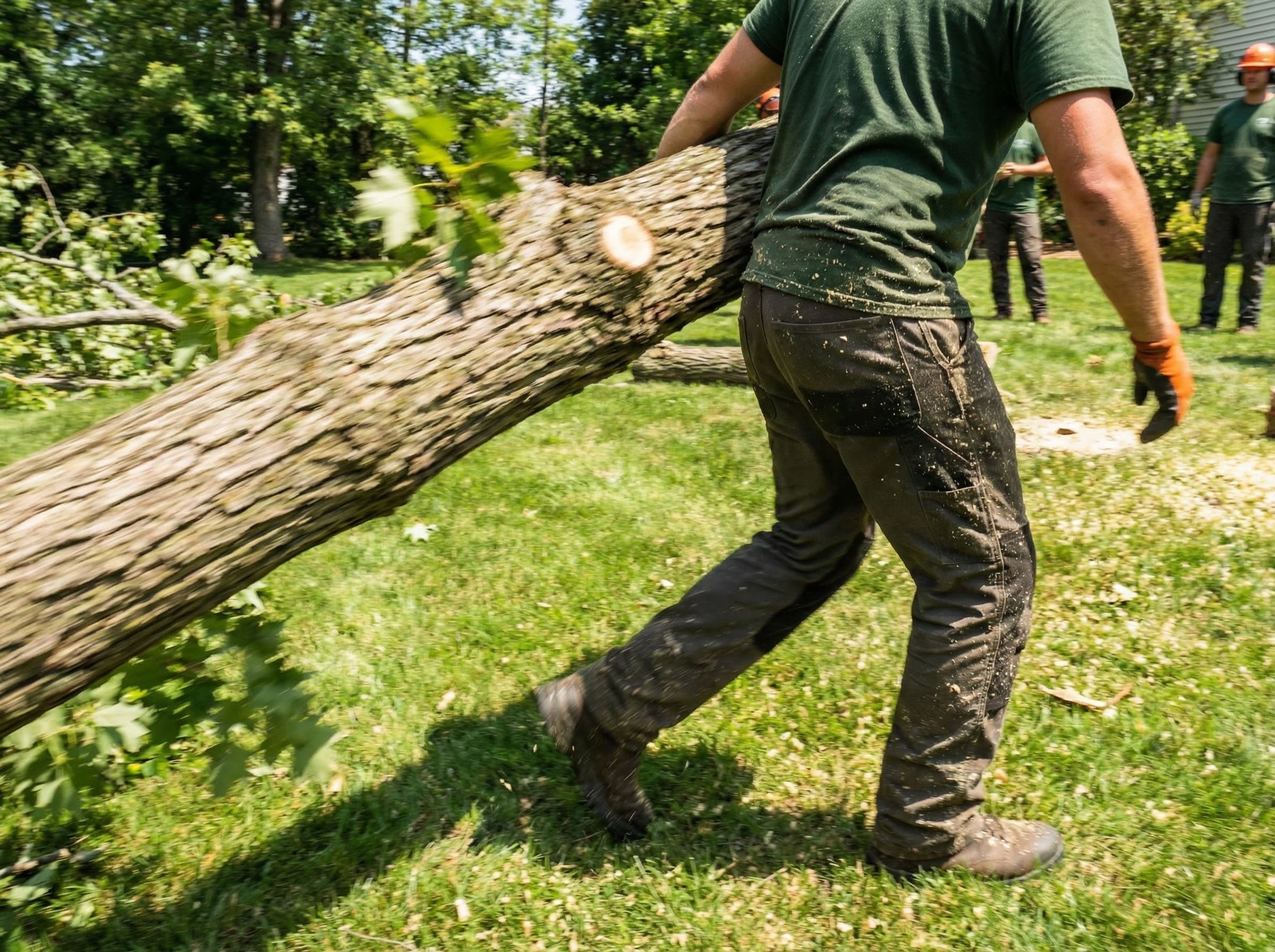
In Southwest Missouri, ice is often worse than wind. A 1/2 inch of ice can add tons of weight to a mature tree. When that weight exceeds the wood's strength, limbs snap like gunshots.
If you wake up to a frozen, shattered landscape, here is what to do.
1. During the Storm: DO NOT SHAKE
It is tempting to go outside and shake the ice off your small trees. STOP.
- Why: The wood is frozen and brittle. Shaking it often causes the branch to snap instantly.
- What to do: Let it melt naturally. Many trees (especially Birches and Cedars) will bend all the way to the ground and then stand back up once the ice melts.
2. Assessing the Damage (The 50% Rule)
Once the ice is gone, look at the tree.
- Can it be saved? If the tree has lost more than 50% of its canopy (leaves/branches), it likely won't survive. It will be too stressed and will rot.
- The Leader: If the main vertical trunk (the leader) is snapped off, the tree's structure is ruined. It will never grow tall and straight again.
3. The Danger of "Hangers"
A "hanger" is a branch that has snapped but is still caught in the canopy. These are widowmakers. They can fall at any moment—when the wind blows or when the ice melts. Do not walk under trees with hangers. Call us to rope them down safely.
4. Proper Pruning Cuts
If a branch broke, you need to make a clean cut.
- Bad: Leaving a jagged stub. This invites rot and insects.
- Good: Cutting back to the "Branch Collar" (the swollen area where the branch meets the trunk). This allows the tree to seal the wound.
5. Patience
Trees are resilient. Even if a tree looks terrible in February, give it until May. You might be surprised by how much it recovers.
Need help clearing the debris? We offer chipping and haul-away services to get your yard back to normal fast.